
When we asked Nonna and Grandpa Charles where they wanted to go for their big trip, we secretly hoped they’d say somewhere warm. The kids had been lobbying hard for Italy or Japan. Charles is Swedish though, and Swedish heritage was always going to win that conversation. So Sweden it was, with Norway tacked on for the fjords because if you’re going to fly six people to Scandinavia in May, you might as well see the fjords.
Six of us — Jennifer, me, Henry, Elias, Nonna, and Charles. Memorial Day week. Ten days. We left Hobbes with a dog sitter, which he handled better than I did.
A few things I should say up front about traveling with grandparents in their 70s and 80s. “Walkable” means something different. We knew this in theory. We did not know it in practice. We’d done Iceland and another trip with them where we had a car, so we’d never had to actually walk distances at the slower pace, with the stops. Stockholm was the first city where we figured out what that meant. Our own legs hurt at the end of the day from the gait — short steps, frequent stops, slower than we naturally move. It wasn’t a complaint. It was a recalibration. We did less per day than the four of us would do, and that turned out to be the right amount.
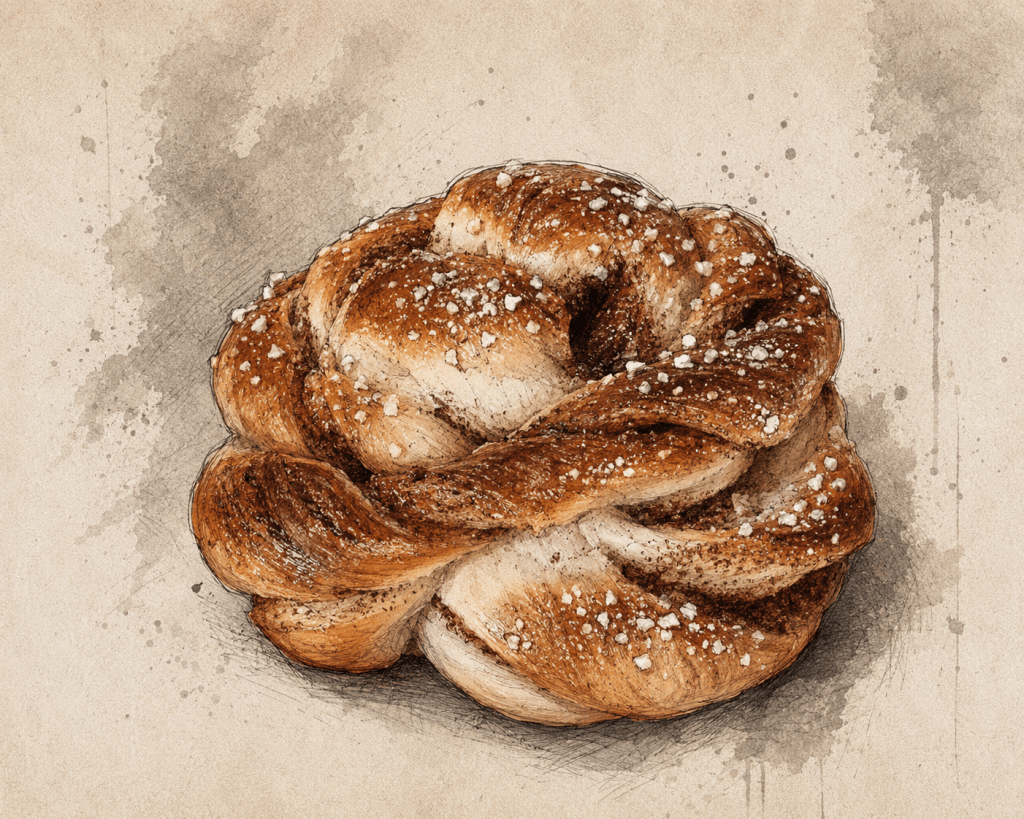
The other thing is the money. We knew Iceland was expensive. We thought we were prepared. Scandinavia is more expensive than Iceland. A basic family dinner runs $200. A cinnamon bun is $8. You do the krona math for a few days and then you give up and just buy the cinnamon buns.
We stayed at the Radisson Collection Strand in Stockholm. They had promised a king bed in our room and delivered a queen, which meant three of us shared a bed clearly meant for two. Family rooms across Stockholm were our hardest booking — six of us, two adjoining rooms, anything that could fit was already booked months out. We ended up with what we ended up with.
The first morning, I went out for coffee and stumbled into Stora Bageriet behind some construction scaffolding near the hotel. It became our daily ritual. Their kanelbullar are Swedish cinnamon buns the way they’re supposed to be — cardamom, just the right sweetness, none of the icing-bomb thing American chains do. We planned our days around bakery stops and I am not apologizing.
The Vasa Museum was the standout for all six of us. A 17th-century warship that sank on its maiden voyage, dragged up from the harbor 300+ years later, preserved almost intact. Standing in front of it, knowing how badly its engineers got it wrong, knowing the king made them keep adding upper decks and gun ports and ballast they couldn’t fit, watching the whole thing sink before it left the harbor — there’s something about the scale of the failure that connects in a way a textbook can’t. The kids stood there for a long time. So did I.
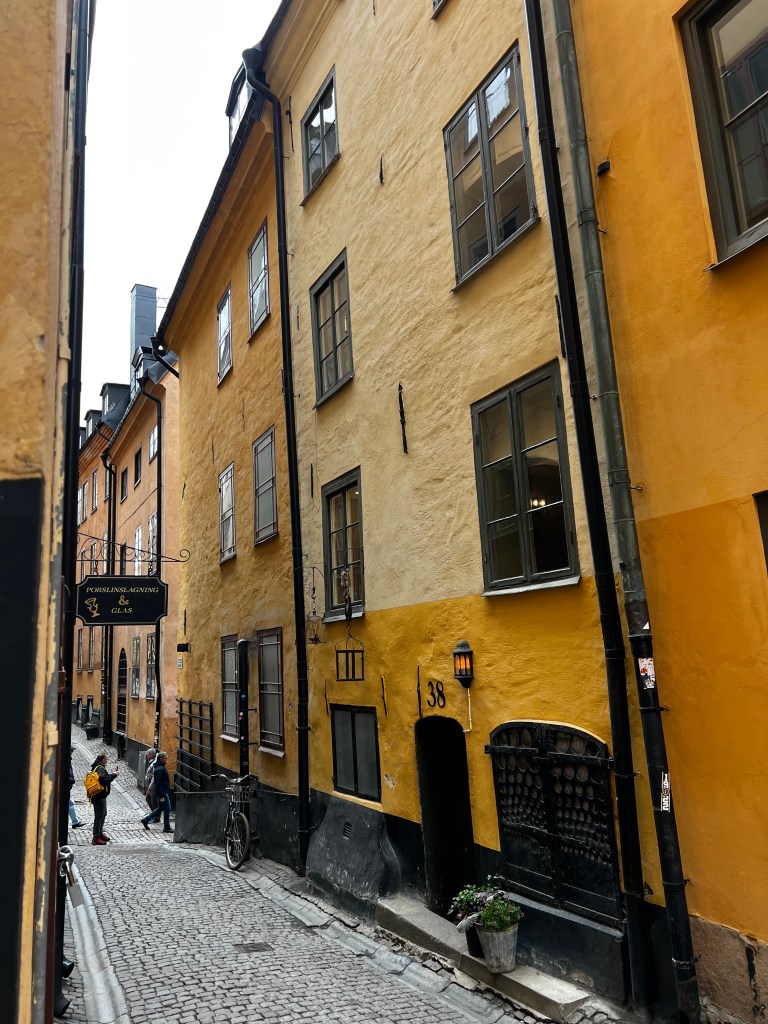
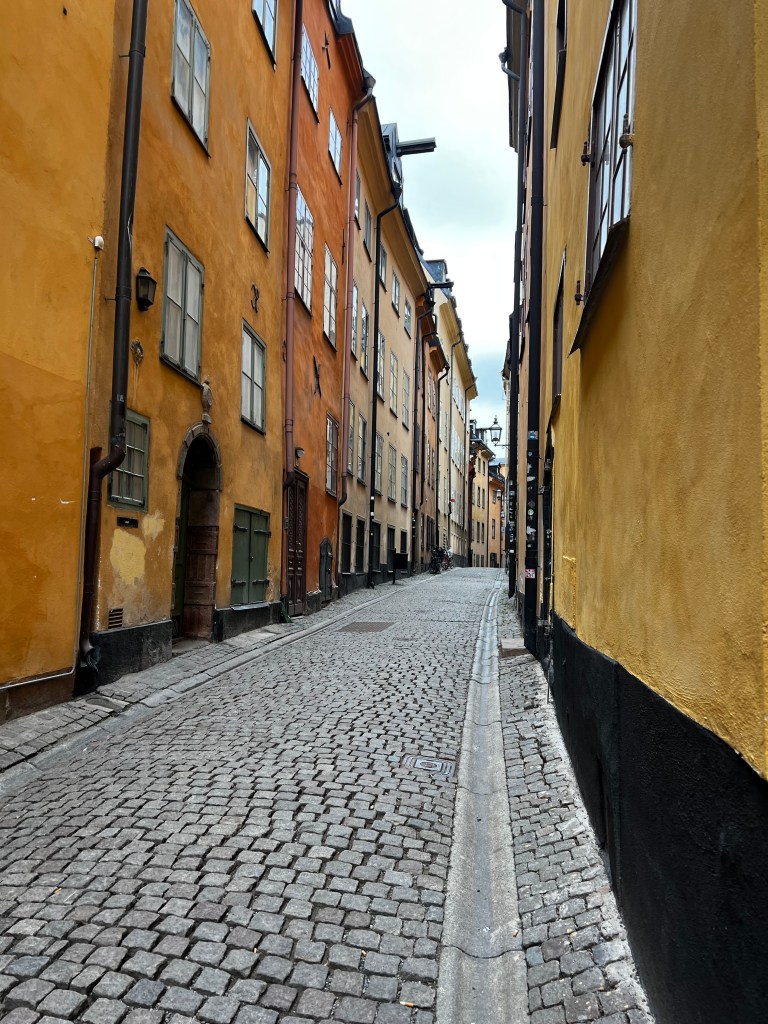
Gamla Stan, the old town, turned into a treasure hunt because the kids got obsessed with finding Mårten Trotzigs Gränd, supposedly Stockholm’s narrowest street. Adults walk past it. Kids will spend an hour going up and down a 90-cm-wide passage and into every courtyard branching off it. That was a small version of a lesson we kept relearning all trip: the kids found their own version of each city and it was almost never the version we planned.
We took the high-speed train from Stockholm to Oslo. Six hours, arrived at midnight, and the sky was still light enough to read by outside. Henry kept checking his watch. Elias declared he was never going to bed again. May daylight at that latitude is something you have to see to understand.
Our place in Oslo was Att Stays — more apartment than hotel, with phone-controlled locks that gave us constant low-grade anxiety because it was never clear what combination of taps and waits actually got the door open. But the apartment itself was a revelation after the Stockholm Tetris. The kids got bunk beds and acted like they’d won the lottery. There was a separate bathroom. There was room to breathe.
The cinnamon bun thing escalated in Oslo. W.B. Samson does a Norwegian version called skolebrød — custard and coconut on top. I would get up before everyone else, walk out into the misty Oslo morning with no data on my phone, navigate by memory back to the bakery I’d seen the day before, and bring back skolebrød for whoever was awake. Those were maybe my favorite minutes of the trip. Just walking alone through a city you don’t know, with a small job to do, with nobody to coordinate with.
One day it rained hard enough to derail our walking plans, so we did the thing we’d been resisting all trip and got on a hop-on, hop-off bus. The kids protested. “We’re not those people.” Then they got on the upper deck and didn’t want to get off. Three of the stops were cruise ship passenger pickups, which was its own thing to watch, but the bus saved an entire day’s worth of grandparent fatigue.
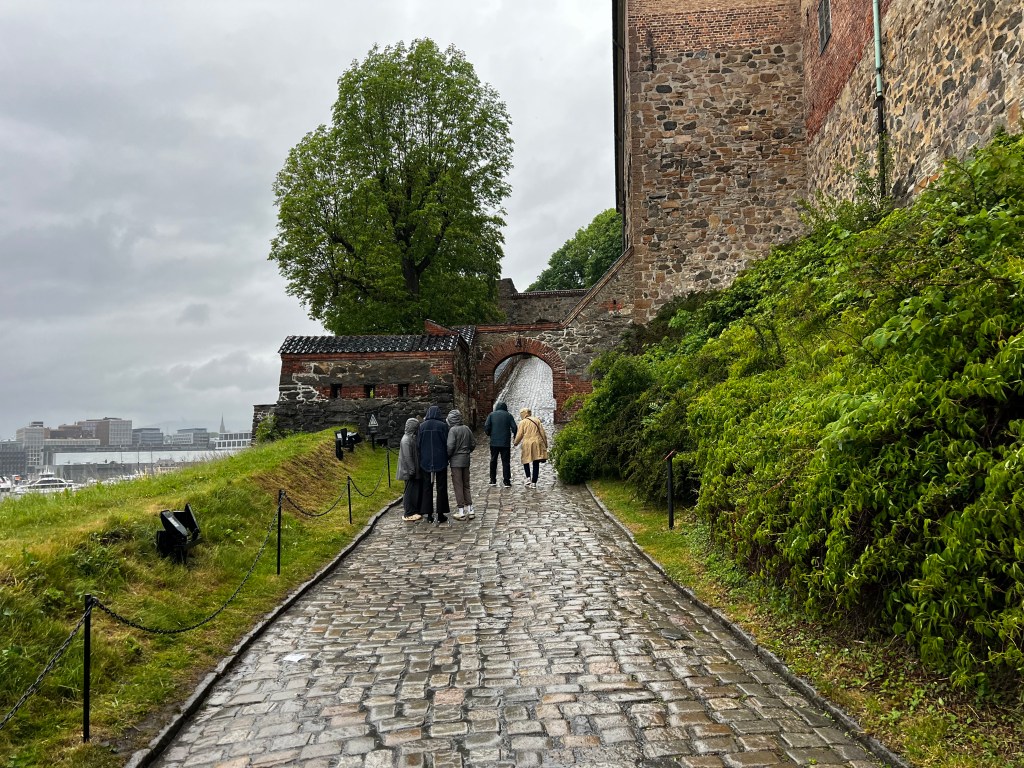
Akershus Fortress turned out to be Elias’s favorite castle of the trip — not for the views but for the audio tour, which is fully invested in the ghost stories. He played medieval knight in the gift shop afterward. He’s at the edge of the age where doing that openly is going to stop. I’m glad I was there for it.
Side thing about Norway: the country is clean. I don’t mean tidy. I mean clean in a way that, by comparison, makes the United States look like a third-world country. Sidewalks, public bathrooms, transit, every surface in every public space. Nothing broken, nothing stained, no trash. Whatever they’re spending and however they’re paying for it, they’re paying for it correctly.
We had to get from Oslo to Bergen, and the way you do that — if you’re doing it right — is the route they call Norway in a Nutshell. Train Oslo to Myrdal, switch to the Flåm Railway down to Flåm, cruise the fjord Flåm to Gudvangen, bus Gudvangen to Voss, train Voss to Bergen. Most people do it in one long day. We split it across two nights and stayed in Aurland, which is the move.
The day we transferred at Myrdal was the first time we hit a real travel-with-six logistical wall. Myrdal is a tiny mountain station and the entire Flåm train empties onto a small platform alongside hundreds of other tourists with massive suitcases, no assigned seats on the next train, and a clock running. Jennifer handled the strategic positioning with a kind of polite-but-firm grandparent advocacy that I admired and could not have replicated.
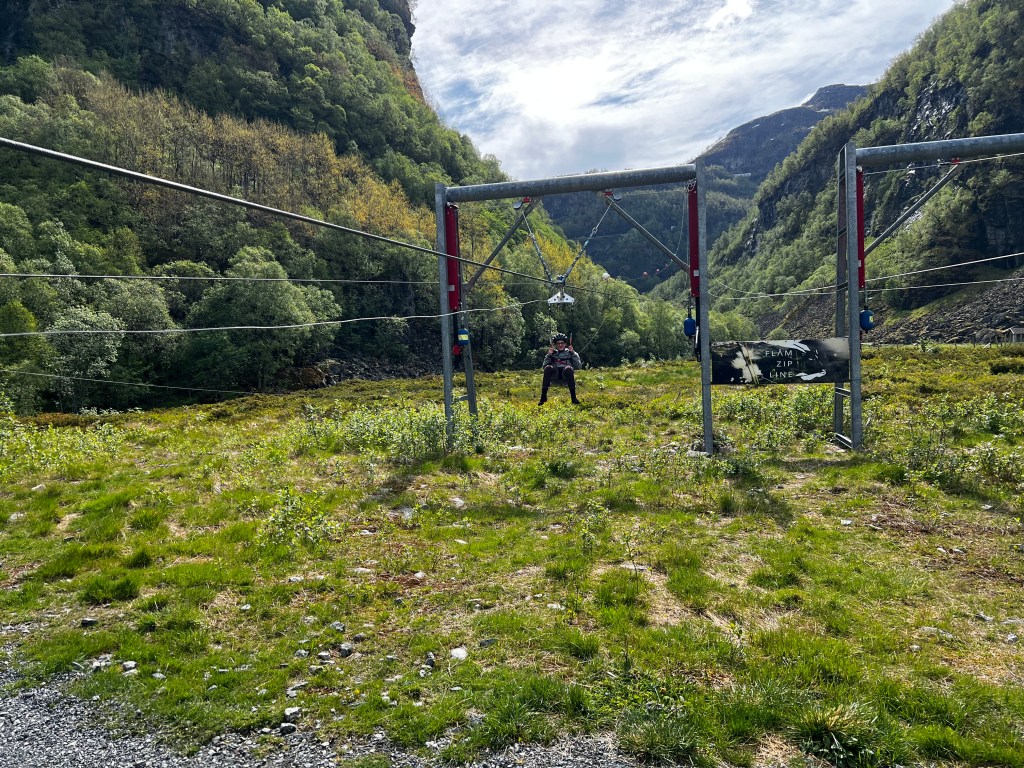
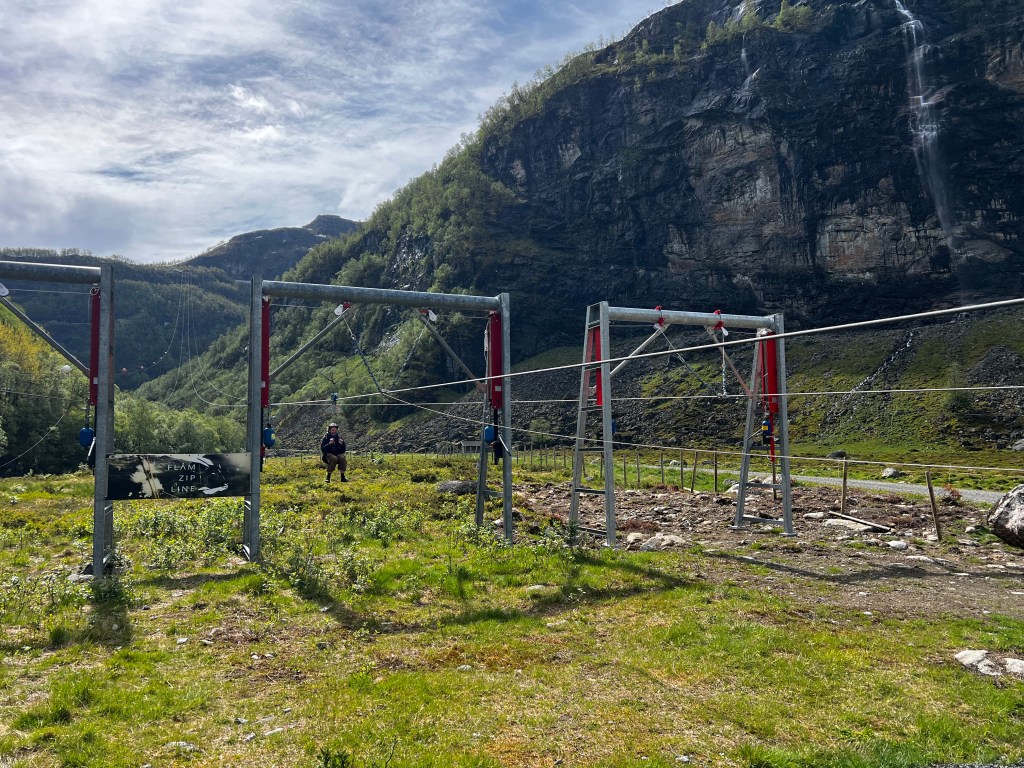
The next day in Flåm was the trip. We did the Flåm Zipline — Scandinavia’s longest, 1,381 meters down the mountainside. Jennifer was terrified and absolutely couldn’t show it because Henry was having his “I can’t do this” moment at the top, and watching her be brave at him while clearly wanting to walk back down the mountain herself was one of the more touching things I’ve seen her do for our kid.
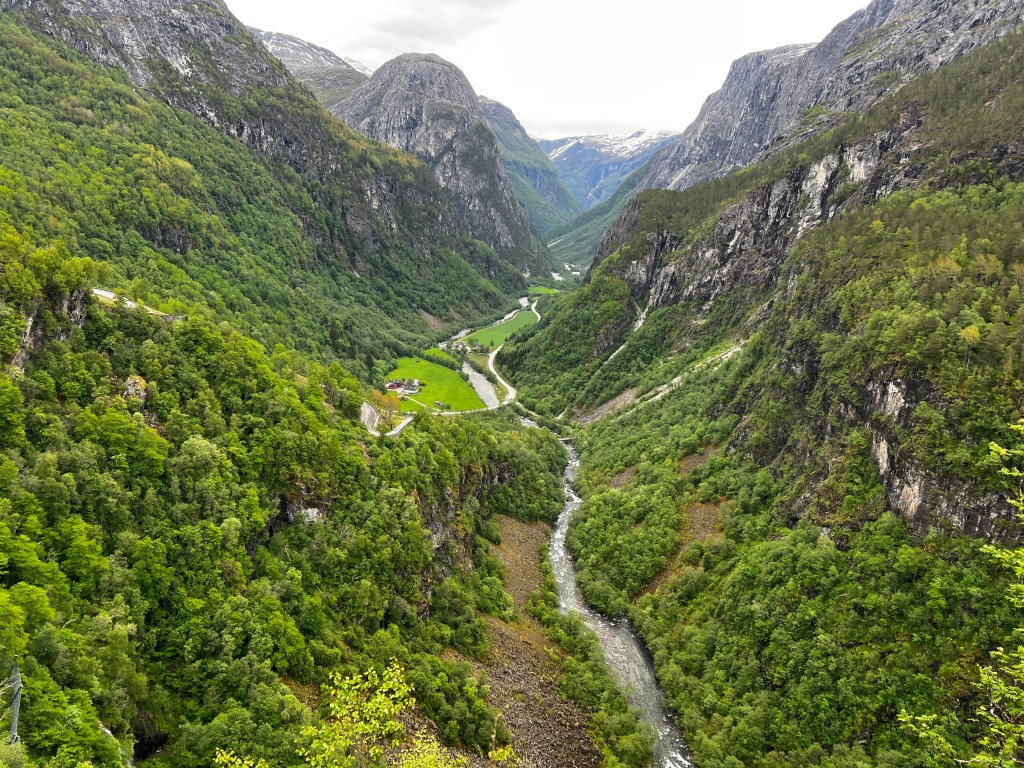
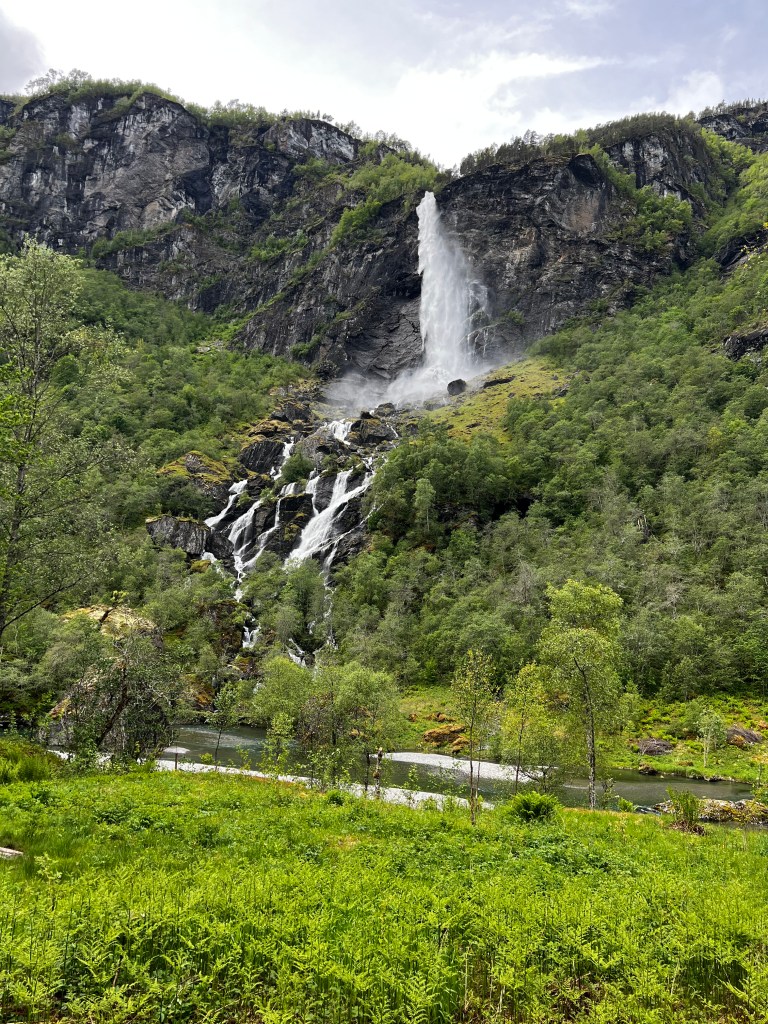
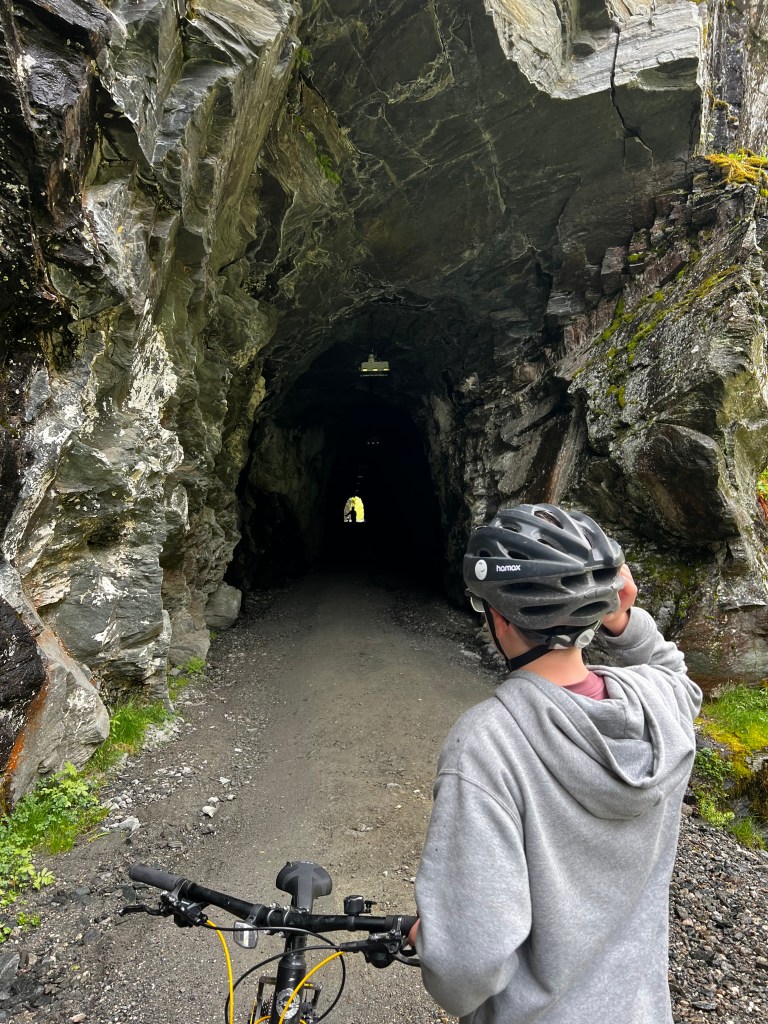
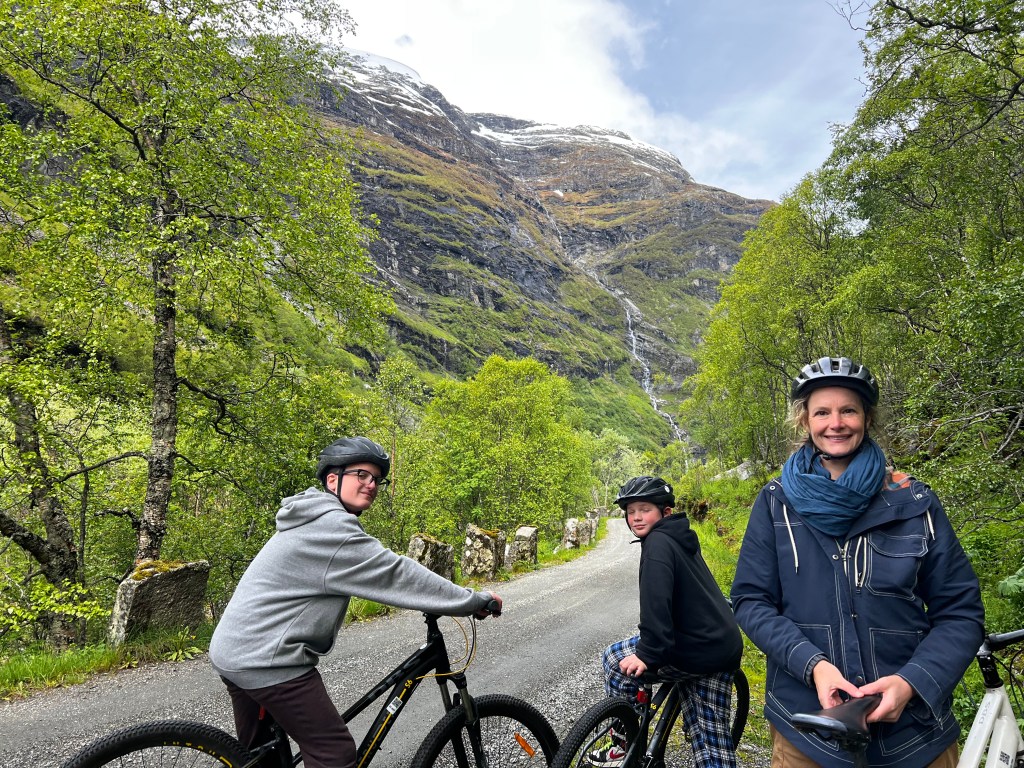
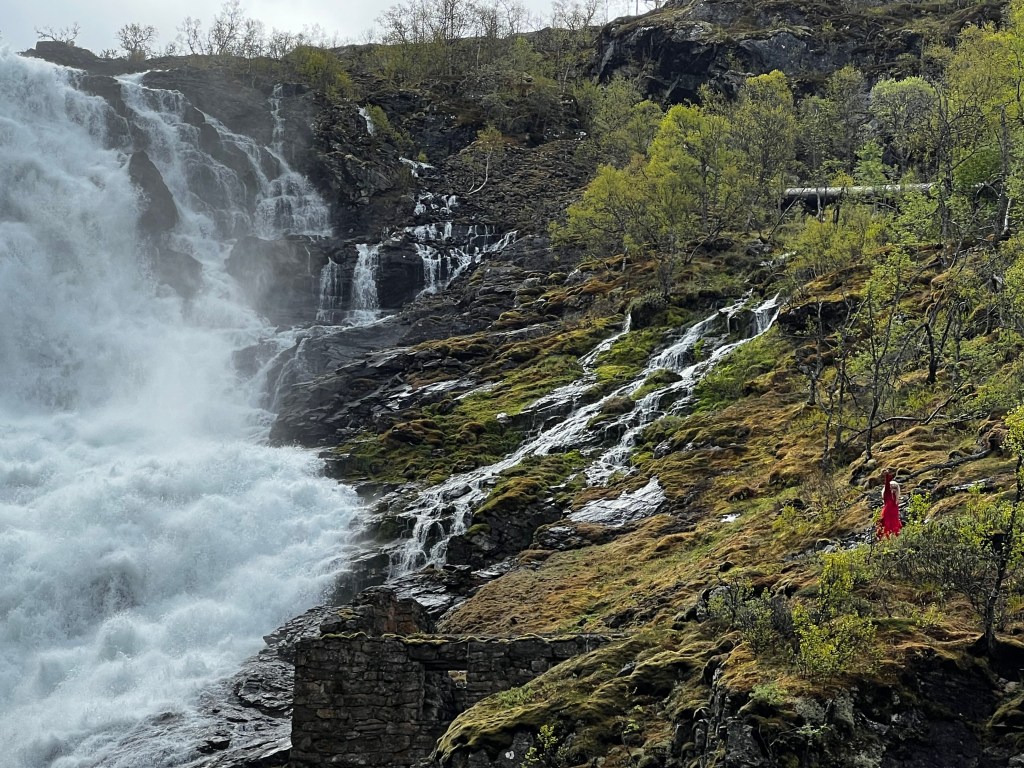
But honestly, the zipline wasn’t the thing. The thing was the mountain bike ride down to Flåm afterward. You go down the same road the workers used when they built the railway. Waterfalls right next to you. The railway tunnels in and out beside you. Even I, who am not a mountain bike person, managed it. The kids coasted. They were loose in a way they hadn’t been all trip. If I told you one image from the ten days, it’d be that one.
Our place in Aurland was a small wooden house right on the fjord with a sauna dock. Cards on the deck. Massive mountains. Local beer. Norwegian chocolate the kids discovered at the supermarket. The famous Aurland avocados, which are enormous for reasons nobody could explain and which became a family inside joke for the rest of the week. And for the first time on the trip, nobody asked what we were doing next. We weren’t doing anything next. We were doing this.
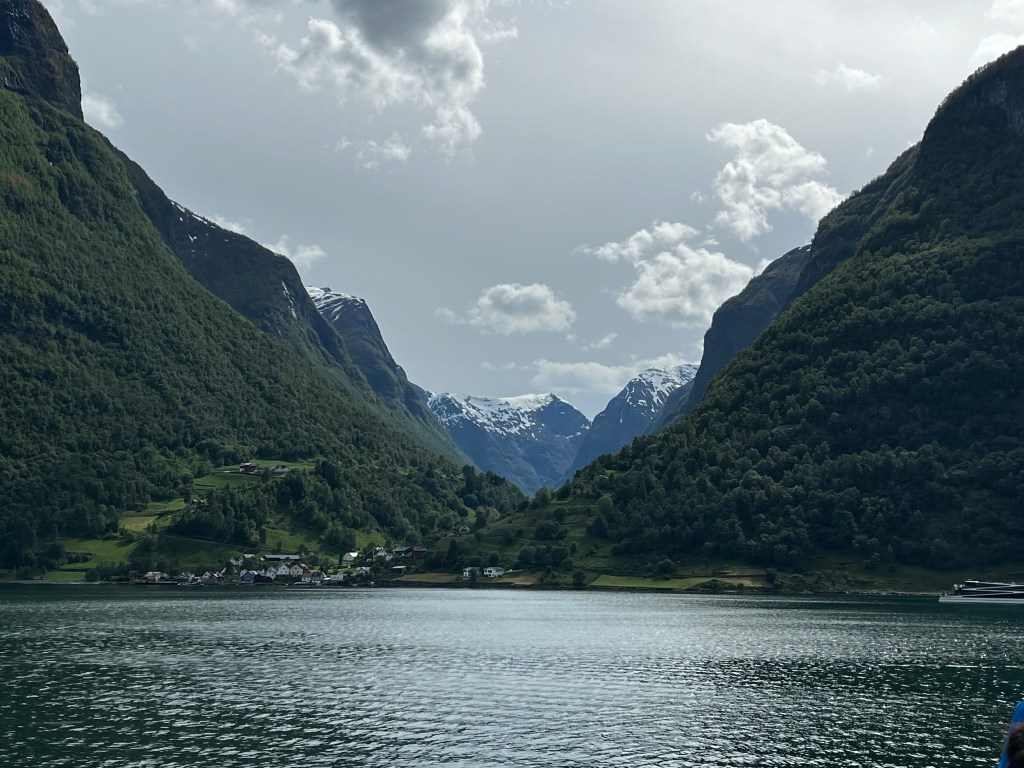
The Nærøyfjord cruise from Flåm to Gudvangen the next morning was as gorgeous as advertised. UNESCO World Heritage fjord. Steep cliffs, waterfalls, the boat just slow enough that you can’t quite process it as it’s happening.
A warning for whoever’s reading this for reference: when we got back to Flåm later in the trip, a cruise ship had docked overnight. The ship was hilariously out of scale — it blocked the entire fjord view. It deposited about 3,000 passengers into a village of 300 residents. Our taxi driver was diplomatic about it but clearly fed up, and said the locals would prefer the ships just stop coming. The cruise lines have reserved sections on the Flåm Railway, which compounds the crowding at the scenic overlooks, where crowd management starts to fall apart. If you’re going, check cruise schedules and try to be there on a day when no boats are docked. The village deserves better.
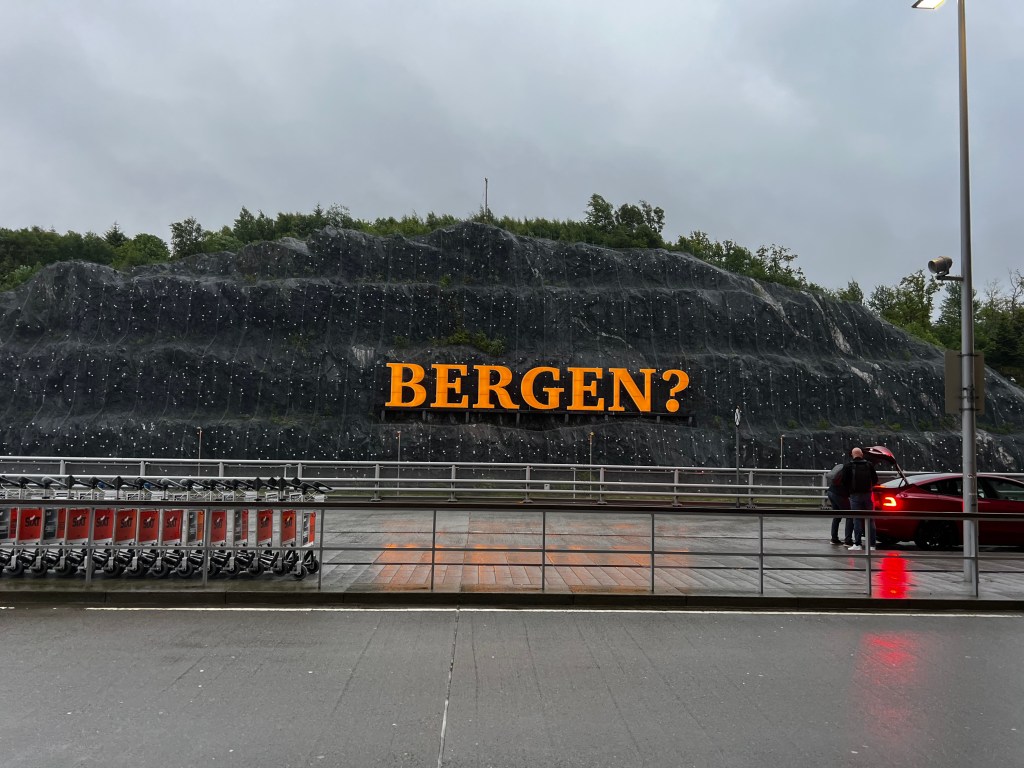
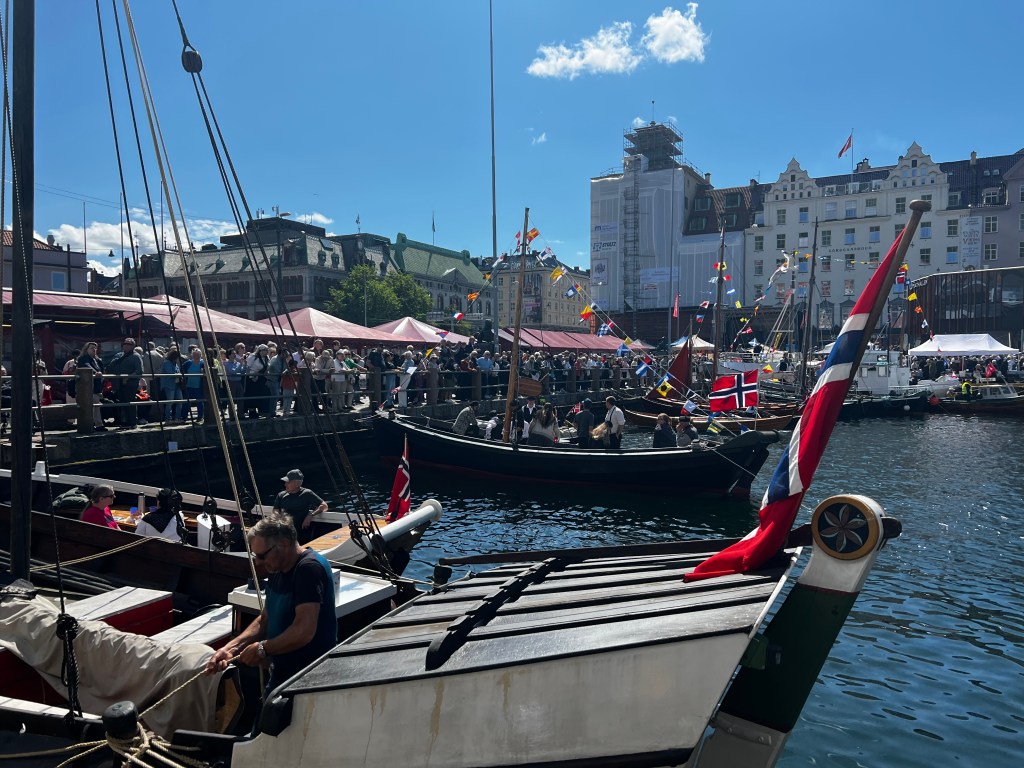
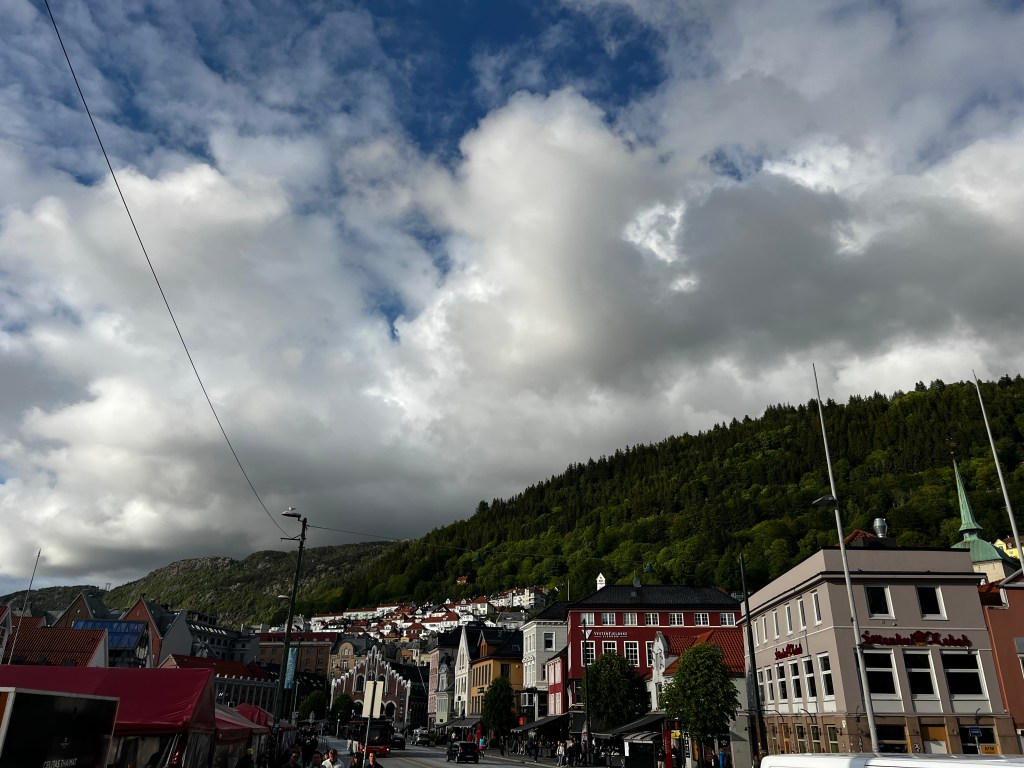
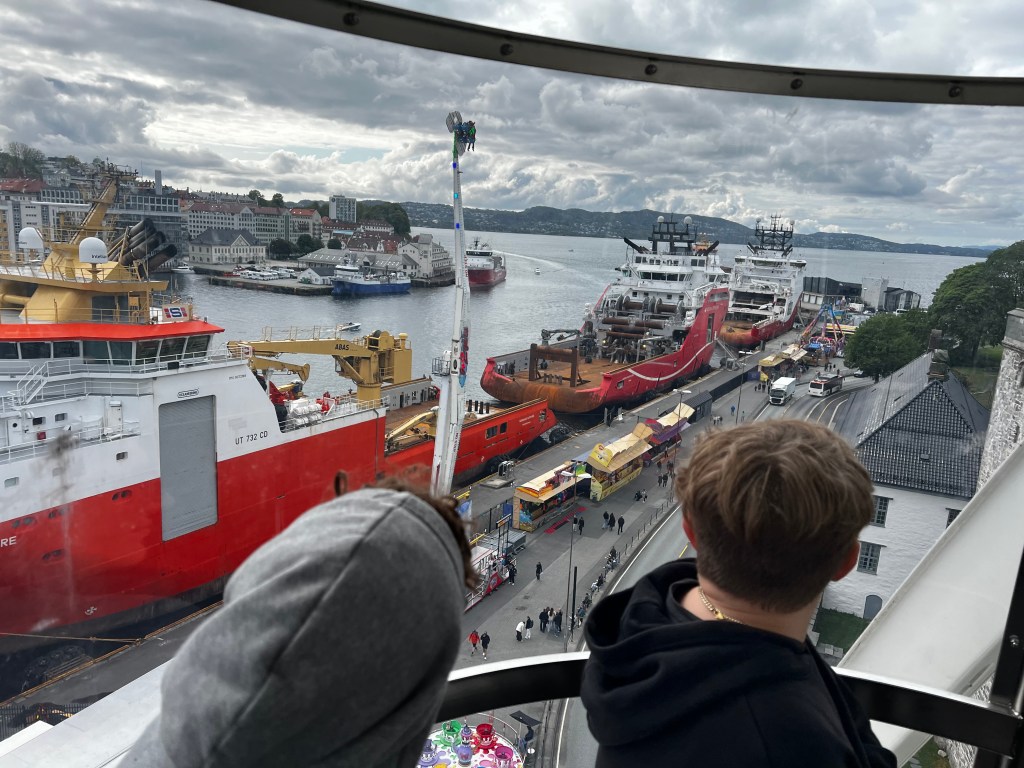
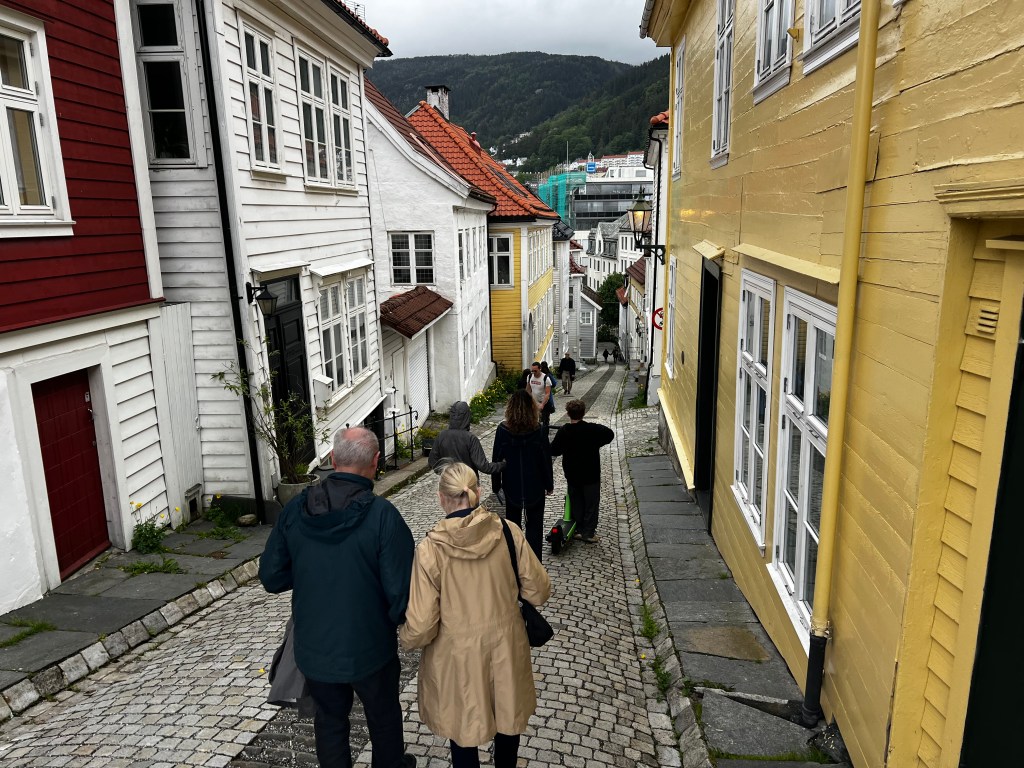
Bergen rains. Bergen rains famously. Bergen rained while we were there. The Bryggen — the colorful wooden trading houses along the harbor, World Heritage, dating to the 1700s — looked even better in mist than they did in postcards in the sun. Our hotel was right on the harbor, which was perfect for walking, and which also meant that when a Norwegian festival ended one night with someone deciding to play Dire Straits at full Norwegian-festival volume at 11 PM, we got the unedited version of it. We thought the speakers were in our room. They were actually a couple blocks away. The kids were delighted.
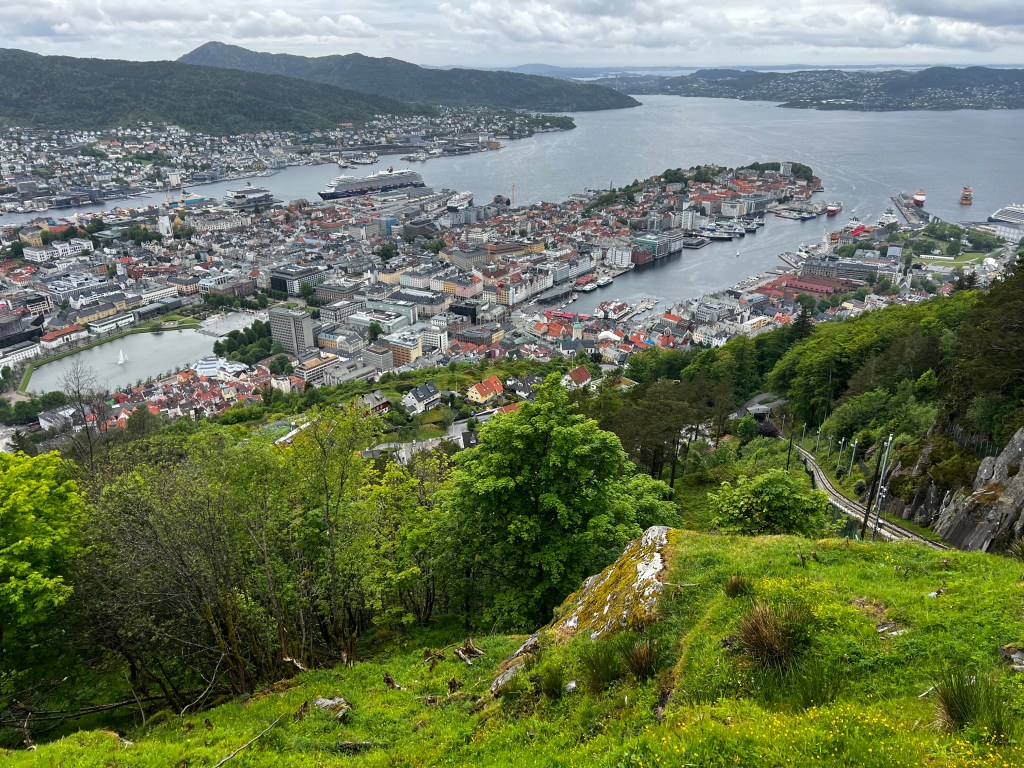
The Fløibanen funicular goes up to Mount Fløyen, where there are hiking trails, a playground, views, and free-roaming goats. Elias spent a long time trying to befriend the goats. The goats had seen this before. Henry inspected the playground and declared it “actually pretty cool for a 7th grader,” which is the highest compliment a 7th grader can pay anything.
Dinner the night before we left was at Bryggen Tracteursted, Norwegian food with a modern lean, in one of those wooden Bryggen buildings. Looked great on paper. The thing nobody told us, and that wasn’t clear from the menu, is that most of their dishes are served cold. We would have ordered entirely differently if we’d known. Ask before you order. The Bergen fjord cruise was fine but felt anticlimactic after Nærøyfjord. If you’ve already done Nærøyfjord, you can probably skip the Bergen one.
One thing I want to write down because I’ll forget it otherwise. Elias had several episodes of sleepwalking and sleep-talking that trip, almost certainly jet-lag related. One night he got up and asked me to help him move the table — we’d shifted some furniture around in the Oslo apartment so we could get to our luggage, and apparently that was on his subconscious mind enough to wake him up about it. Other nights he’d wake me, ask some random question, and then say “never mind” and go back to sleep. He didn’t remember any of it the next morning. I’d never seen him do it before. He hasn’t done it since.
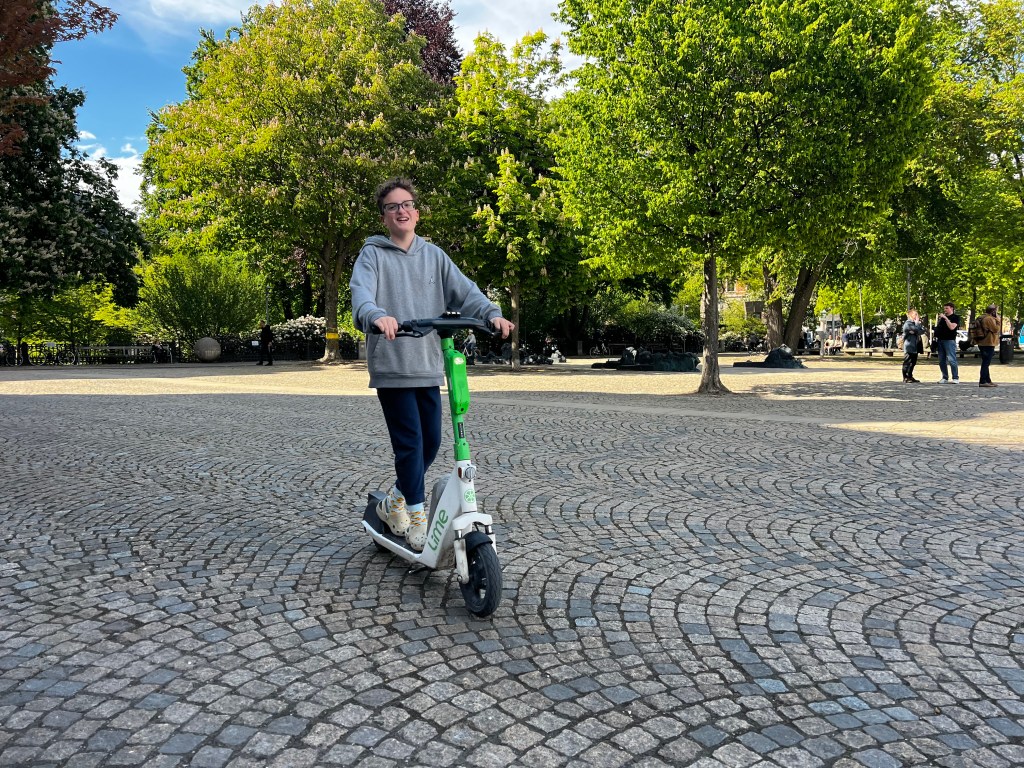
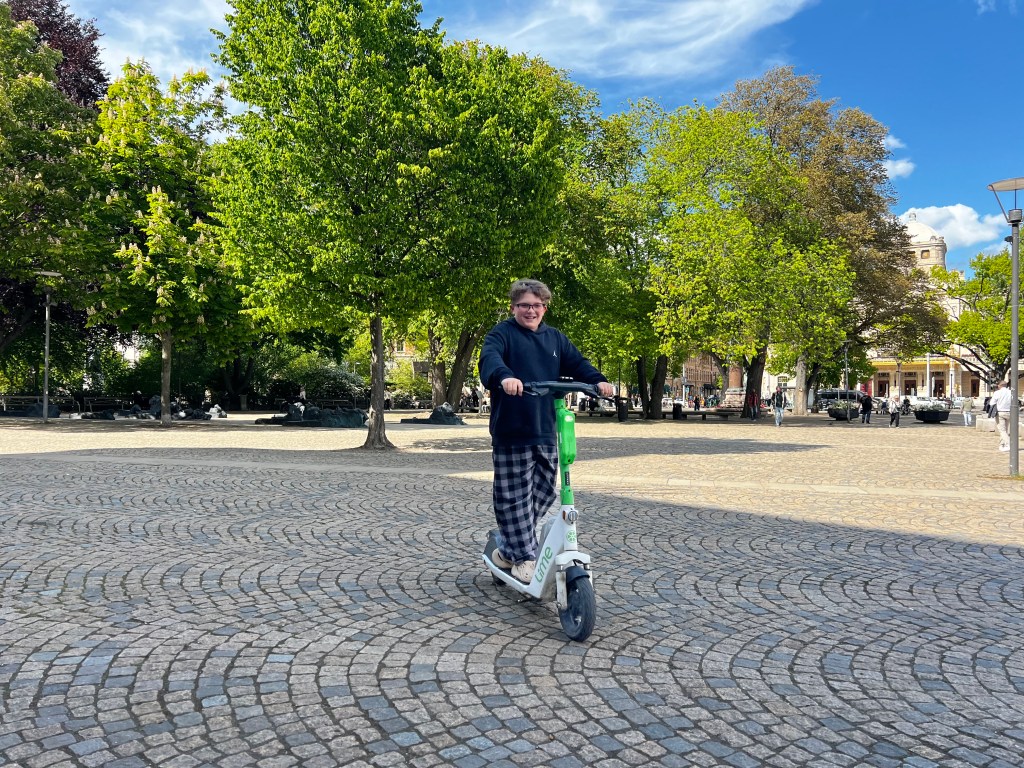
A few other things I don’t want to forget. The kids playing cards with Nonna and Charles on the deck in Aurland. The way every meal felt like an event because we’d built up to it all day, and because eating with six people across three generations with no rush in a country that isn’t yours is just different from eating at home. How polite everyone in Norway was, in a way that wasn’t performative — just baseline civility maintained across every interaction. How the scooters in Stockholm and Oslo were everywhere and the kids wanted to ride them constantly. We did not let them. The baked goods. I cannot overstate the baked goods.
Worth it? Of course it was worth it. We watched Henry get over the zipline thing. We watched Elias absorbed in Norwegian medieval ghost stories. We watched Nonna and Charles handle a pace they didn’t think they could handle, and handle it well. Jennifer’s parents got the trip they wanted. We got the trip we didn’t know we wanted.
Would we do it again? Yes, with one big change: international data plans for every phone in the group. The number of minutes I spent in Oslo and Bergen trying to call taxis and coordinate meeting points with no internet, while Jennifer navigated from memory and the grandparents waited patiently and the kids complained, taught us that some things you don’t try to save on. That’s the only thing we’d change.
We’re going back to Norway someday. Not Sweden — we did Sweden. Norway has too much we didn’t get to.
The Reference Version
At-a-glance route. Stockholm (3 nights) → high-speed train → Oslo (2 nights) → Norway in a Nutshell rail leg → Aurland (2 nights) → Nærøyfjord cruise → Bergen (2-3 nights) → fly home.
The trip. Ten days over Memorial Day week, May 2025. Six people: two adults, two kids (12 and 13), Nonna and Grandpa Charles (Jennifer’s parents, in their 70s and 80s). SAS Newark to Stockholm; Bergen to Newark via Oslo on the way home. Two pieces of multi-generational travel context to set expectations: cost is high (~$200 for a basic family dinner, $8 cinnamon buns, family rooms hard to book), and pace is slower than a four-person trip would be.
If you’re planning a Scandinavian trip with a multi-generational group, here’s the practical stuff in roughly the order you’ll need it.
Budget. Plan for it to cost more than you think. A family dinner runs $200. A cinnamon bun is $8. Hotels are limited and expensive, especially family rooms. Pre-book everything, including train seats and adventure activities. The expense isn’t avoidable; the surprise is.
Data plans. Non-negotiable. Get an international data plan for every phone in the traveling party before you leave. Don’t try to save here.
Walking pace. If you’re traveling with grandparents in their 70s or 80s, the city you can walk in is much smaller than the city you think you can walk in. Plan fewer stops per day. Use taxis. Use buses. Don’t fight it.
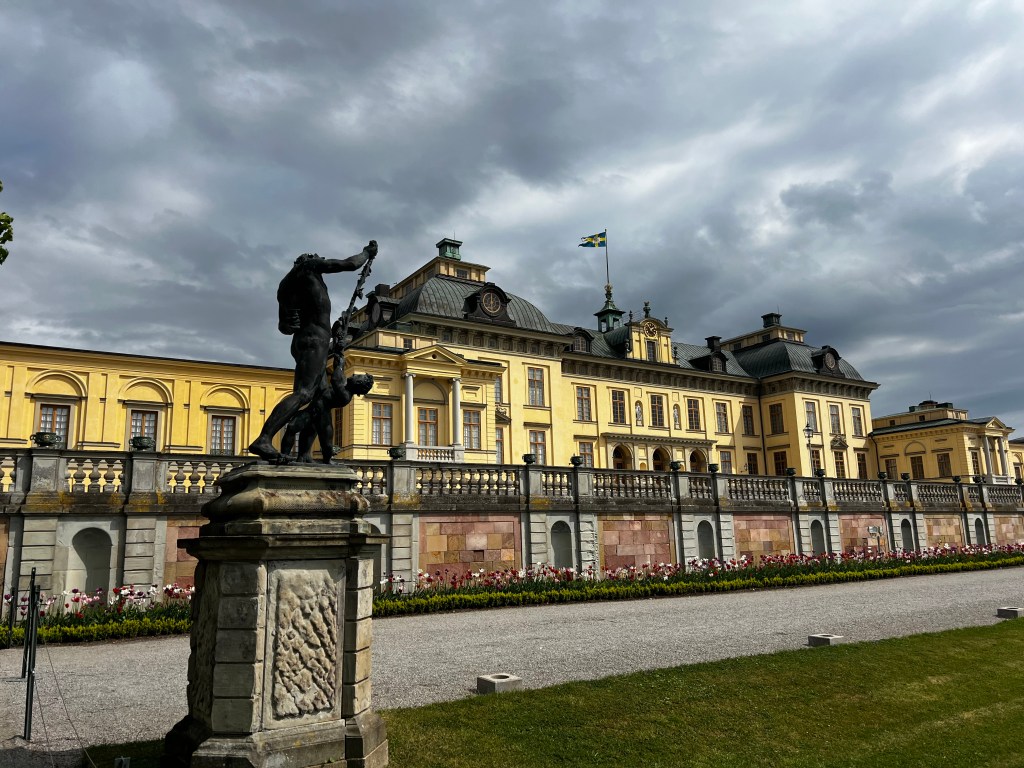
Stockholm. We stayed at the Radisson Collection Strand — central, fine, the family-room layout was tight. The Vasa Museum is the must-do. Skansen open-air museum is good. Drottningholm Palace (boat from Klara Mälarstrand around 11 AM, returns mid-afternoon) is worth a half day. Walk Gamla Stan, find Mårten Trotzigs Gränd. Stora Bageriet for kanelbullar.
Stockholm to Oslo. High-speed train, about six hours. We took the late-afternoon train and arrived at midnight; the May daylight makes that work better than it sounds.
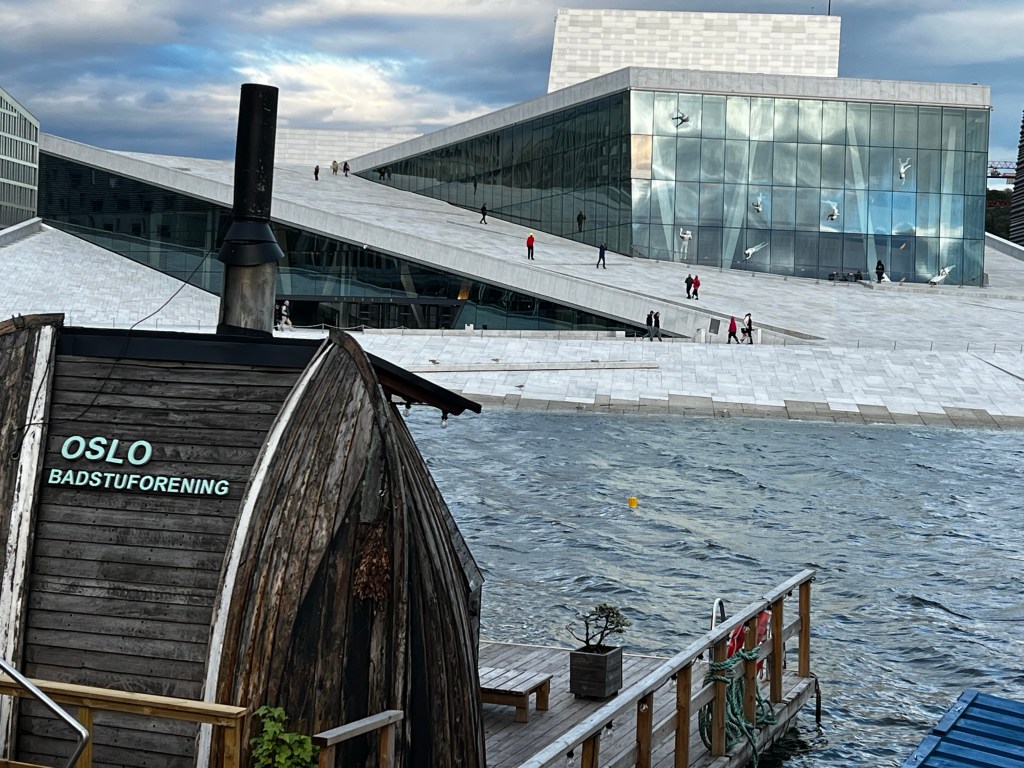
Oslo. Att Stays is what we’d book again — apartment-style, much better than a hotel for six people, despite the phone-locks. W.B. Samson for skolebrød. Akershus Fortress with the audio tour. Vigeland Park is free and good. Walk on the roof of the Opera House. If it rains, the hop-on-hop-off bus is not beneath you.
Norway in a Nutshell. Officially booked through Fjord Tours. Train tickets directly through VY or Entur if you want to assemble the legs yourself. Split it across two nights instead of one if you can — Aurland is a better basecamp than Flåm.
Aurland and Flåm. Fjord-side guesthouses in Aurland on Booking.com and Airbnb. The Flåm Zipline + bike combo through Fjord Tours is the centerpiece. Do the zipline if you want to, but the bike ride down is what you’ll remember.
Flåm cruise ships. A massive cruise ship in Flåm wrecks the experience for everyone in the village. Check the cruise schedule before you book a date. Locals would prefer they not be there. The Nærøyfjord cruise Flåm to Gudvangen is the must-do.
Bergen. Stay near the harbor for walkability. Walk the Bryggen. Fløibanen funicular up to Mount Fløyen, see the goats. Avoid Bryggen Tracteursted unless you specifically want cold food — most of their dishes are served cold and it’s not clearly communicated. You can skip the Bergen fjord cruise if you’ve already done Nærøyfjord.
Day-by-day chronology.
Day 1. Fly Newark to Stockholm. Arrive afternoon. Check into Radisson Collection Strand. Walk Gamla Stan to find feet (and the narrow alley).
Day 2. Vasa Museum (the standout). Skansen open-air museum. Stora Bageriet for kanelbullar.
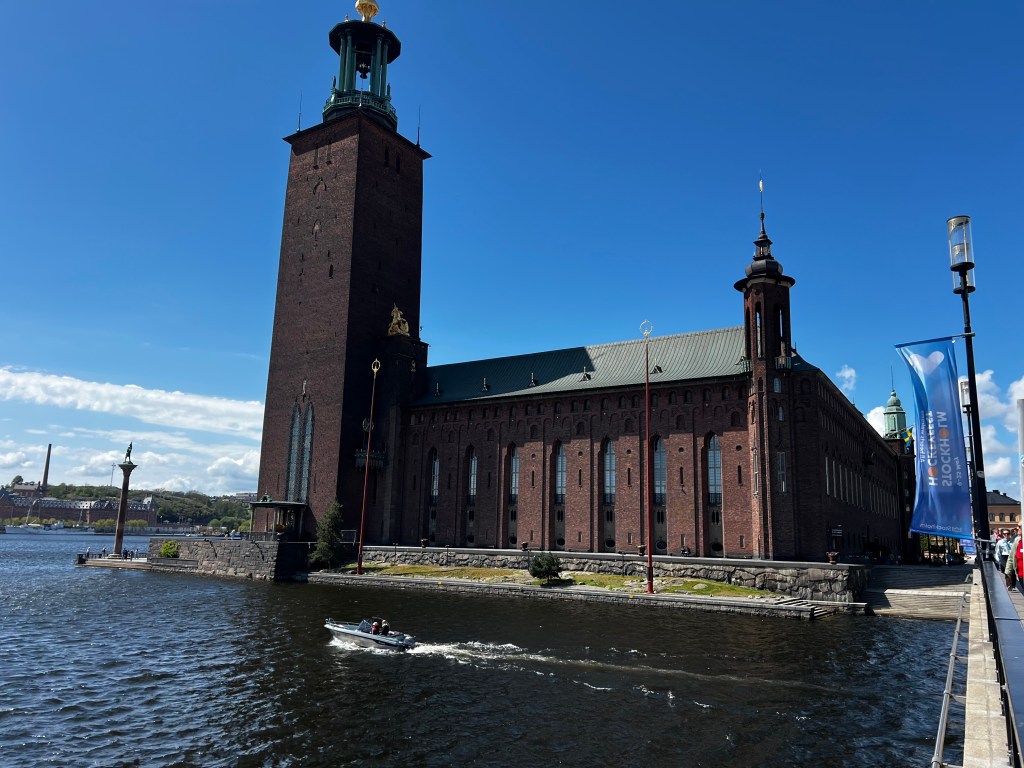
Day 3. Drottningholm Palace — boat from Klara Mälarstrand around 11 AM, returns mid-afternoon. Optional: Stockholm City Hall.
Day 4. Stockholm to Oslo. Morning in Södermalm (vintage shops along Hornsgatan). Late-afternoon train (we took the 6:10 PM, arrived midnight). The May daylight makes the late arrival work.
Day 5. Oslo. Karl Johans Gate to the Royal Palace. Akershus Fortress with the audio tour. Vigeland Park. Opera House roof walk in the evening.
Day 6. Oslo to Aurland (start of Norway in a Nutshell). Train Oslo to Myrdal — we got to the station around 8:30 because moving six people takes time. Flåm Railway from Myrdal down to Flåm. Taxi to Aurland. Cards on the deck, sauna, fjord.
Day 7. Adventure day from Aurland. Train back up to Vatnahalsen. Flåm Zipline (1,381 m, Scandinavia’s longest). Mountain bike ride down the railway-workers’ road to Flåm — the trip’s standout moment. Back to Aurland for the second night.
Day 8. Nærøyfjord cruise Flåm to Gudvangen. Bus Gudvangen to Voss. Train Voss to Bergen. Arrive Bergen in the rain.
Day 9. Bergen. Walk the Bryggen. Fløibanen funicular up to Mount Fløyen — goats, playground, hiking trails. Optional: Bryggen Museum.
Day 10. Fly Bergen to Oslo to Newark. Allow extra time for the connections.
Don’t miss. Vasa Museum. Mårten Trotzigs Gränd. Drottningholm. Akershus audio tour. Opera House roof walk. The Flåm bike ride. The Nærøyfjord cruise. Fløibanen funicular and the goats.
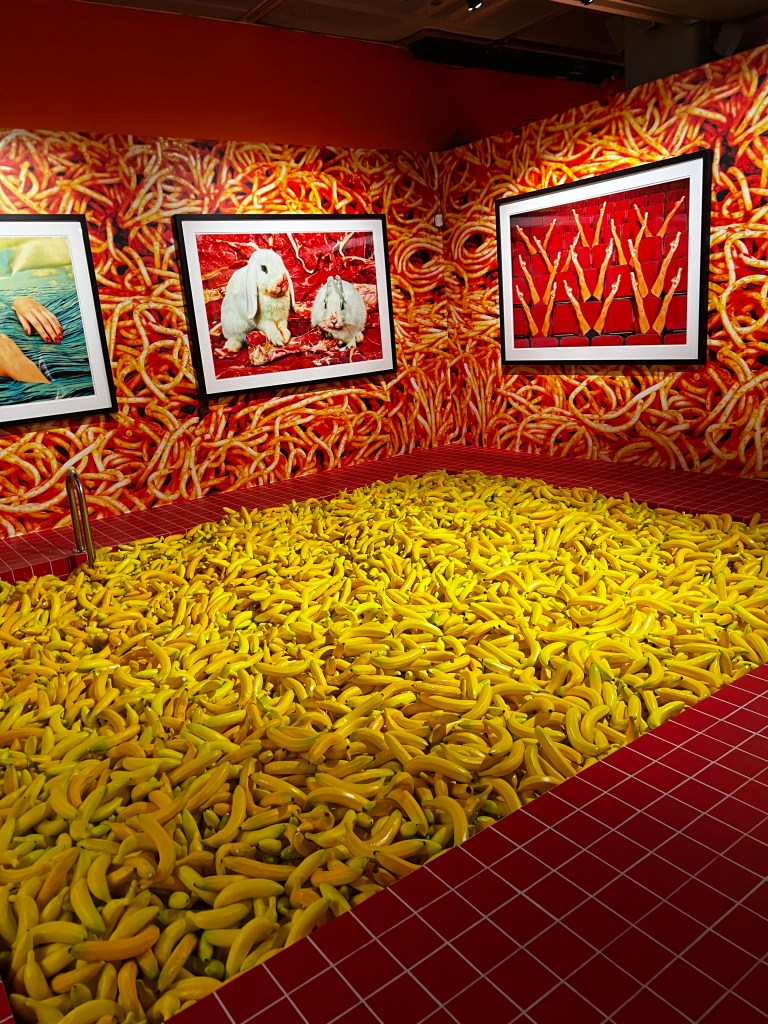
Can skip. Bergen fjord cruise (if you’ve done Nærøyfjord). Photography museum in Stockholm. Most guided tours if you’re comfortable independently.
Cinnamon buns. Eat them constantly. Kanelbullar in Sweden, skolebrød in Norway. Stora Bageriet in Stockholm and W.B. Samson in Oslo were our favorites. Do not skip this. The Portuguese take pastel de nata seriously; the Scandinavians take cinnamon buns seriously. Honor it.
Booking links recap. Radisson Collection Strand (Stockholm). Att Stays (Oslo). Vasa Museum. Drottningholm Palace. Norway in a Nutshell via Fjord Tours. Flåm Railway. Flåm Zipline + bike combo (Fjord Tours package). VY (Norwegian rail). Entur (rail and bus combo planning). Fløibanen funicular (Bergen).




Leave a Reply