
I have to admit something before any of the rest of this will land. Our Pella Architect Series windows look beautiful. The proportions are right. The wood interiors took paint cleanly. The aluminum-clad exteriors have held up for sixteen winters. From across the room, from the road, in any photograph, they are the windows I would have picked. That is the problem.
I hate them anyway.
We bought them in 2009 when we built the house. Roughly twenty-eight windows in total, plus French doors and entry doors. Architect Series is Pella’s premium residential line. We bought them through DirectBuy, which got us the top-of-the-line product at a price closer to the mid-range, which felt like a deal. We were buying the best Pella made, and we were buying it smart. That is what we believed.
Sixteen years later, here is what those windows actually do.
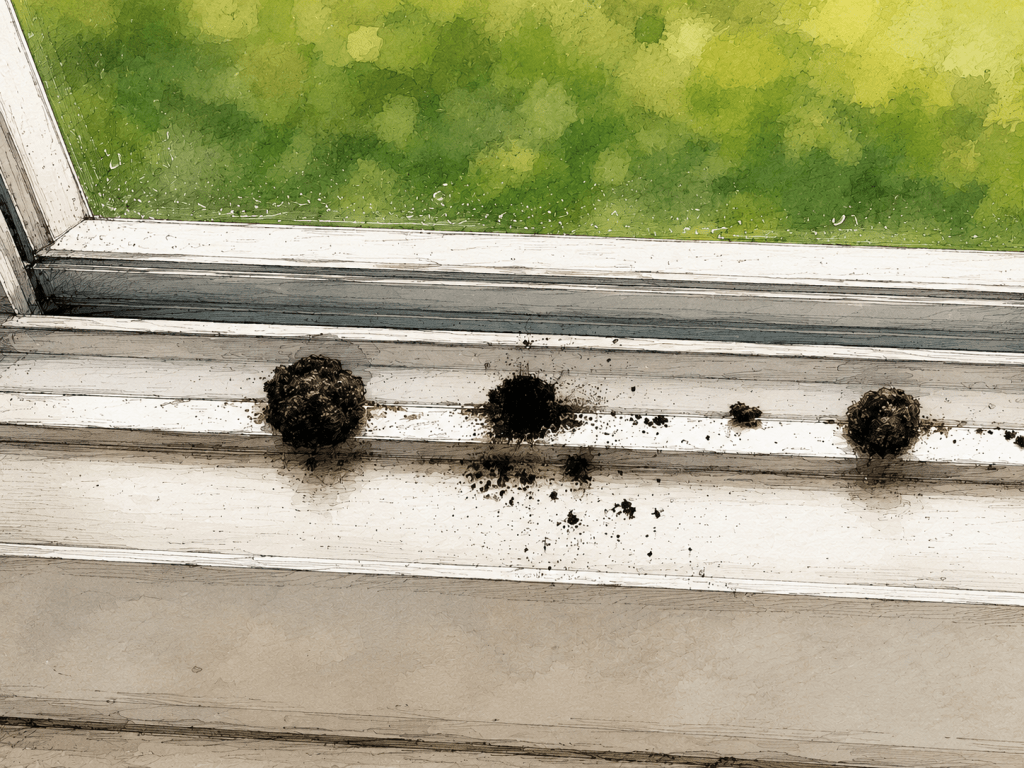
Every window in the house gets condensation. On a January morning in the teens, two of them are completely fogged over, with moisture freezing against the inside of the glass. We run a dehumidifier. We run an HRV around the clock. We have done this for years. It does not matter. The windows still sweat, and the paint underneath them — on the wood sills they sit on — has lifted from the constant wetness and needs to be redone. We had mold growing on the inside of a window in the kids’ room. Mold, on a window, in a house with active dehumidification and ventilation. That is not a moisture problem in the house. That is a moisture problem in the windows.
The E-glass low-E coating, which is supposed to block UV, does not do its job either. Everything that sits in front of a window has faded — furniture, curtains, the floors, the kids’ toys. The south-facing rooms are the worst. If the coating worked, you would see the line. There is no line.
The wood has warped enough that some of the sashes don’t ride smoothly anymore. One sash support has broken outright, which means the window won’t stay open on its own — you prop it, or you don’t open it. And I can feel air pulling through several of the north-facing windows in cold weather. I have ended up sealing those from the inside every fall with DAP Seal n’ Peel caulk, which is to say: I am caulking a premium window from the inside with five-dollar peel-off goo so my heating bill doesn’t run away from me. That is the actual remediation strategy for an Architect Series window in year sixteen.
When we have called Pella about any of this, they have two answers, and both of them say the failure is on our end. Either our interior moisture control is inadequate — it isn’t; we have the dehumidifier and the HRV running around the clock — or the installation was wrong, which it wasn’t; the windows were installed by professionals to Pella’s spec. What Pella has never said is the only honest version of the answer, which is that their windows may not be the right product for the kind of house we built.
That’s the diagnosis underneath all of this. Energy codes have been pushing new construction tighter for thirty years. A tight house holds onto its moisture and needs mechanical ventilation, and the windows are the largest thermal weak point in the envelope. A window designed for a 1965 farmhouse with leaks in every wall is a fundamentally different product from a window designed for a 2009 house with rigid foam, sealed sheathing, and an HRV. Pella sells the same product into both. When the second house has problems, the homeowner did it wrong.
So we live with it. We wipe the condensation. We replace the faded things. We pull the broken sash up by hand and prop it. We caulk the leaks. We close the curtains earlier than we should have to. Everything else we got wrong in this house we can live with — the basement we didn’t finish, the HVAC access that’s awkward, the plumbing that’s quirky. The windows are different. The windows affect the daily quality of life inside the building, and the durability of the building itself, every single day.
I will not buy these windows again. When we replace them — and we will — it will be Marvin, or someone else who builds specifically for modern, tight construction and does not blame the customer when the math doesn’t work. Spending more wasn’t the lesson. We already spent more. The lesson is that brand reputation and a premium product line don’t guarantee that the thing inside the box was designed for the house you’re putting it in.
One thing about the windows we did get right, and it has nothing to do with Pella: we trimmed the exteriors in PVC instead of wood. Glued at the corners. Exposed edges wiped with acetone to seal the cells. Sixteen years in: no rot, no paint failure, no maintenance. Frame your windows in something better than wood, especially if the windows you’re buying turn out to need that much help.
I hate these windows. They look good. That’s where it stops.


Leave a Reply