Tag: investing

  • Passing the Buck: Why We Pay More But Make Less Part 11: Who Profits?

    ,

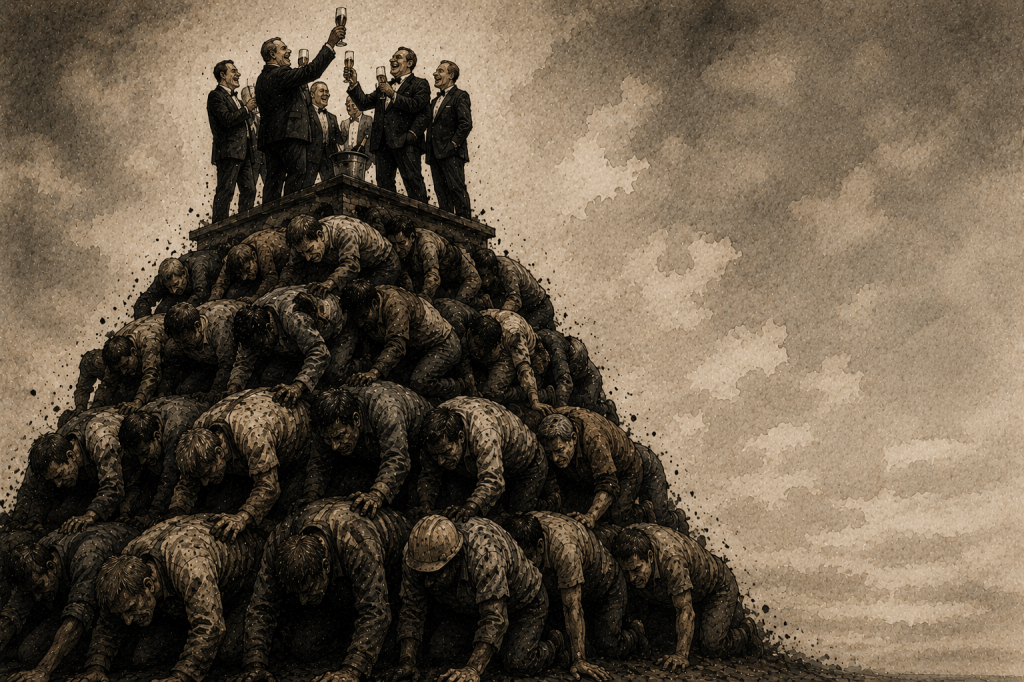
    Part 11 of Passing the Buck, a 15-part series on why we make less but pay more. The ten installments before this one traced where the money goes — the categories where household spending has grown, the mechanisms by which it has grown, and the structural reasons for the growth. This one is about who…

  • Passing the Buck: Why We Pay More But Make LessPart 5: The Auto Trap

    ,

    Part 5 of Passing the Buck, a 15-part series on why we make less but pay more. The first four installments traced cost shifts inside relatively well-defined transactions — wages versus productivity, employer-to-worker benefit transfers, overdraft fees, credit card interest. This one is harder, because the cost being passed to households is built into the…

  • Passing the Buck: Why We Pay More But Make Less. Part 4: Credit Cards

    ,

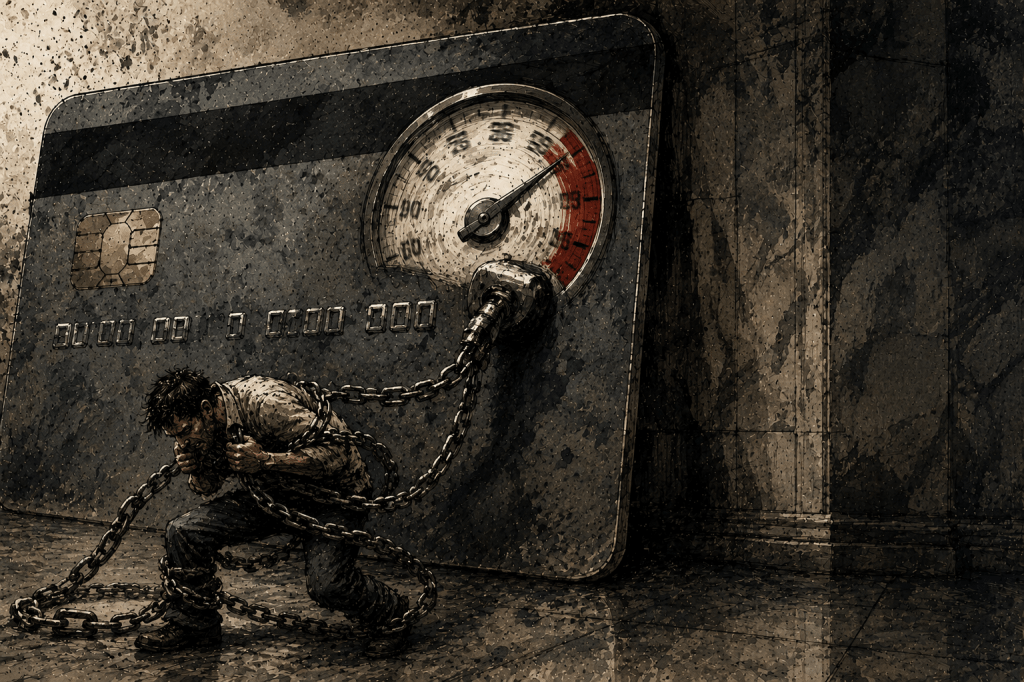
    Part 4 of Passing the Buck, a 15-part series on why we make less but pay more. Part 3 looked at the overdraft side of consumer banking. This one looks at the other side of the same relationship — the credit card. Most of the largest credit card issuers in the United States are also…

  • Passing the Buck: Why We Make Less But Pay More. Part 3: Banking Fees

    ,

    Part 3 of Passing the Buck, a 15-part series on why we make less but pay more. In Parts 1 and 2 I walked through the picture: the math on a typical American household has tightened over fifty years even as productivity has climbed, and several specific costs — housing, healthcare, higher education, transportation, retirement…

  • Passing the Buck: Why We Make Less But Pay More. Part 2: The Baseline Shift

    ,

    Part 2 of Passing the Buck, a 15-part series on why we make less but pay more. In Part 1 I walked through the math on one specific case — a nurse making $77,000 a year, doing everything right, with $625 a month left after mandatory expenses. The argument was that the math has gotten…

  • Passing the Buck: Why We Make Less But Pay More. Part 1: The Impossible Math

    ,

    Part 1 of Passing the Buck, a 15-part series on why we make less but pay more. A few years ago I started keeping a list. It began with a conversation at the field after one of Henry’s games. A guy I have known for a decade — coaches another team, runs a small landscaping…

  • BrokeCon by Design Part 18: The Rigged Tax Code

    ,

    On October 22, 1986, Ronald Reagan stood on the South Lawn of the White House and signed a tax bill that did something the United States had not done before and has not done since. The Tax Reform Act of 1986 took the top rate on money you make by owning things — long-term capital…

  • BrokeCon by Design Part 17: The Systemic Theft Of Our Retirement

    ,

    On December 9, 1963, the Studebaker Corporation announced it was closing its main automobile plant in South Bend, Indiana. The company had been building things to ride in since before there were engines to put in them — wagons, in the 1850s — and for the people on the line the pension was not a…

  • BrokeCon by Design Part 9: Immobility Nightmare: How Three Failed Systems Killed the American Dream

    ,

    The Door Is Already Locked Say you’re thirty-two. You have an idea for a business. Maybe a good one, maybe not, but you want to find out. So you sit down and run the numbers. The first thing that kills it is the healthcare math. Your employer pays most of your premium right now. Walk…

  • BrokeCon by Design Part 7: The Housing Trap: How Zoning Laws and Investment Firms Stole the American Dream

    ,

    This is Part 7 in BrokeCon by Design, a series on how American systems are rigged against regular people. Part 1: USA! USA! USA! | Part 2: The Words That Stop You From Thinking | Part 3: Follow the Money | Part 4–6: Healthcare Series The median first-time homebuyer in the 1980s was 29 years old. In 2025 it’s 40 — a…